

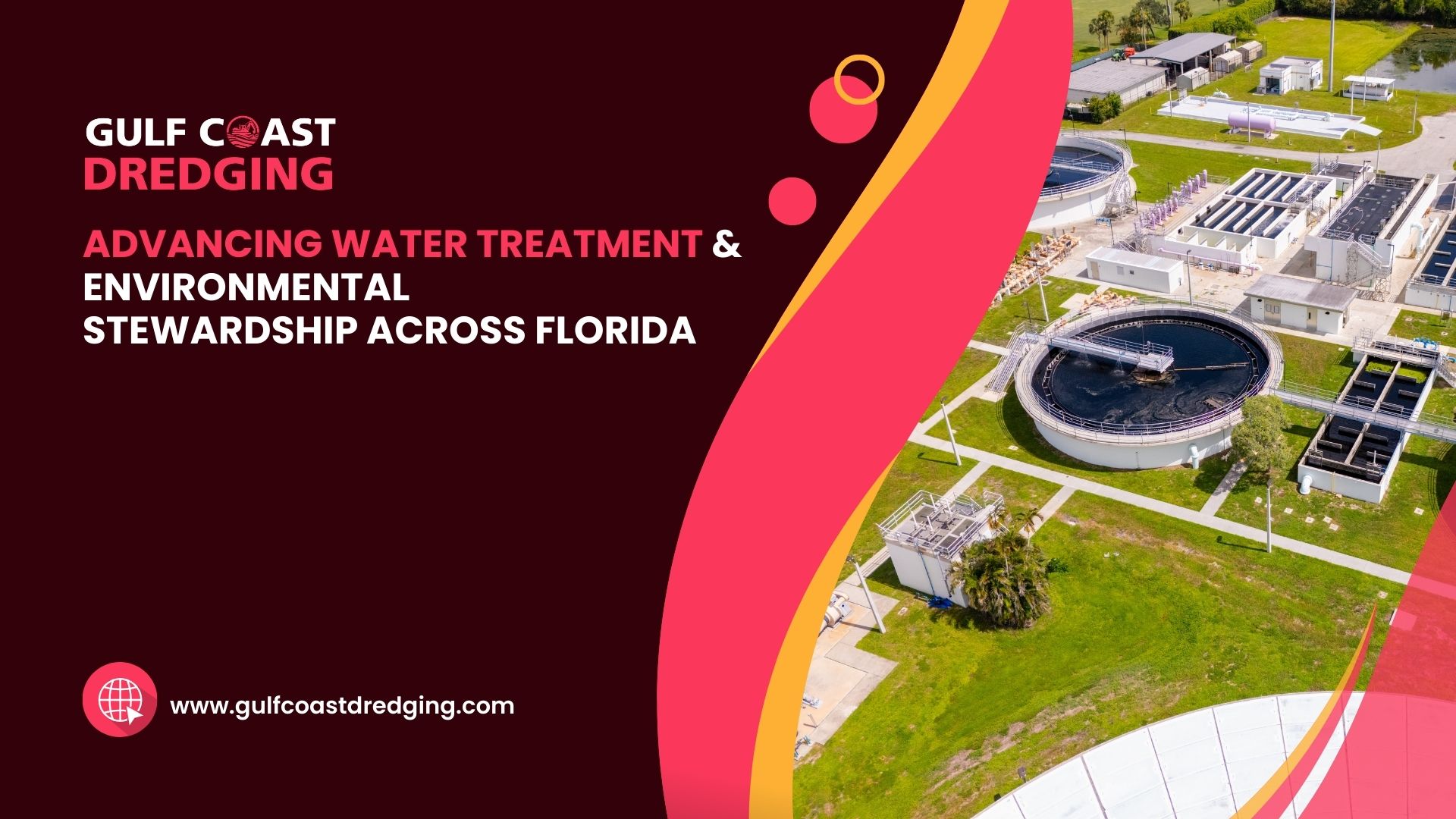
Material separation technology has become one of the most important foundations of modern water management in Florida. As the state continues to balance rapid development, complex coastal ecosystems, and industrial growth, the demand for cleaner discharge and more precise treatment solutions has never been higher. Florida’s waterways are not only ecologically sensitive but also vital to its economy, tourism, and infrastructure. This creates a unique challenge: treating water effectively while supporting dredging, restoration, industrial operations, and municipal systems across a wide range of conditions.
With new regulations, rising community expectations, and increasing environmental concerns, advanced water treatment solutions supported by reliable separation systems are now essential. Whether handling dredged material from a port deepening project, restoring a nutrient-laden lake, or improving stormwater quality in fast-growing coastal cities, Florida requires treatment methods that deliver high performance without harming natural habitats. This is where material separation technology plays a transformative role.
In this expanded guide, we explore how material separation technology supports critical environmental and industrial activities across the state, why Florida’s conditions require specialized approaches, and how Gulf Coast Dredging leads the industry with advanced solutions tailored specifically to the region.
Florida’s Growing Need for High-Efficiency Water Treatment
A Landscape Where Water Defines Everything
Florida is shaped by water in every direction. The state features thousands of miles of rivers and canals, millions of acres of wetlands, and some of the most ecologically sensitive estuaries in North America. Cities such as Tampa, Jacksonville, Miami, Fort Myers, and Pensacola rely heavily on waterways for commerce, transportation, and recreation. This creates constant demand for dredging, stormwater control, and industrial water management.
In many areas, shallow water depths and soft sediment conditions increase the likelihood of turbidity during dredging or industrial activity. This makes advanced water treatment systems in Florida vital to maintaining environmental stability while allowing essential operations to continue.
Regulatory Pressure and Environmental Expectations
Florida’s regulatory framework is among the strictest in the Southeast. Agencies such as the Florida Department of Environmental Protection and the regional Water Management Districts require careful monitoring of turbidity, suspended solids, nutrients, and pollutants. Coastal areas, especially those surrounding seagrass meadows, oyster habitats, and coral zones, face even tighter scrutiny.
As a result, industries and municipalities increasingly rely on material separation technology to ensure compliance. Industrial facilities also depend on industrial wastewater separation systems to maintain operational stability and avoid fines or shutdowns. This robust regulatory environment is a major driver behind Florida’s push toward higher-quality treatment infrastructure.
Understanding Material Separation Technology
What It Is and Why It Matters
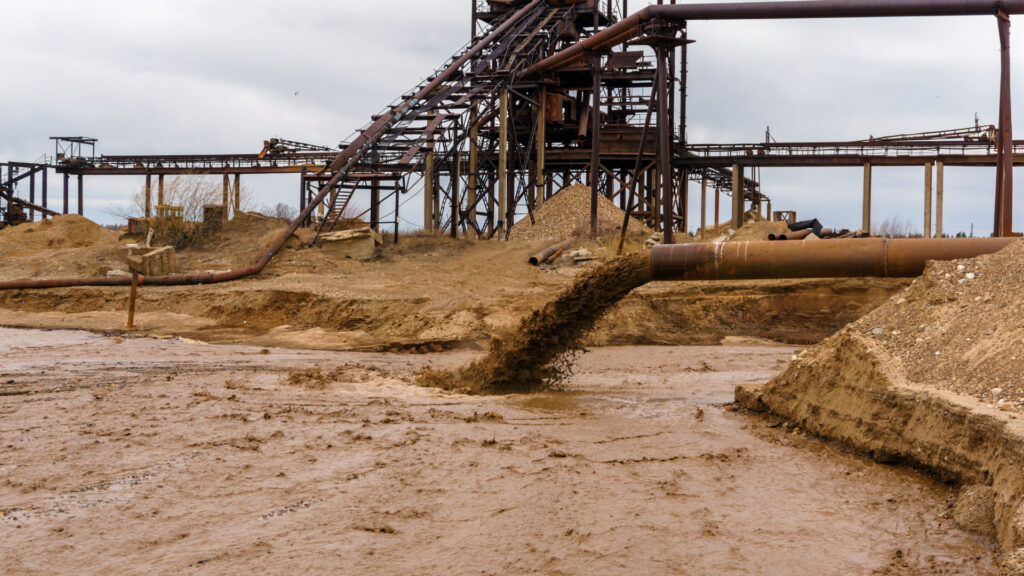
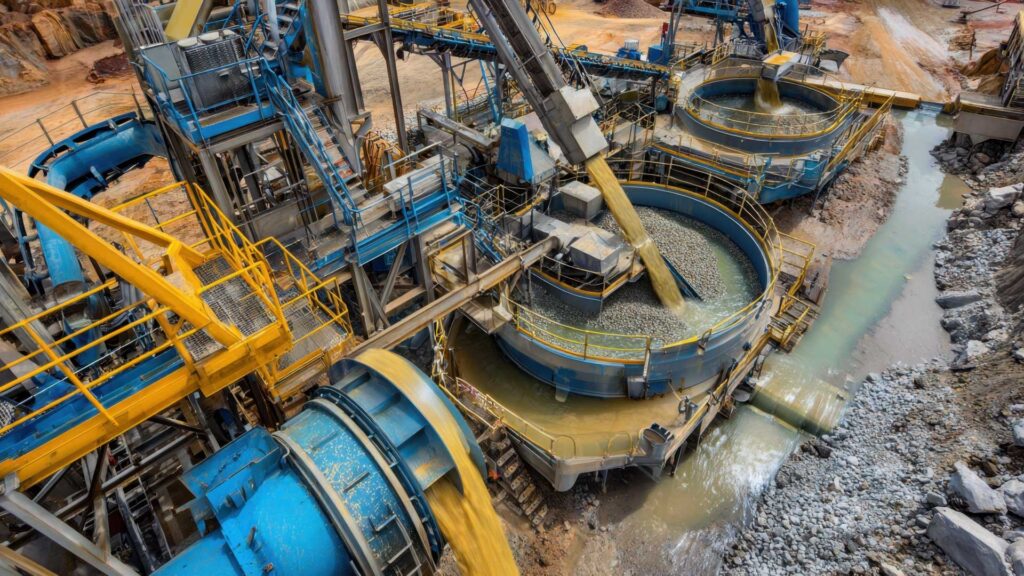
At its core, material separation technology comprises engineered systems that remove solids, sludge, and suspended particles from dredge slurry, industrial wastewater, or stormwater. These systems combine mechanical, physical, and chemical processes to achieve clean discharge and minimize environmental impact.
For Florida, accurate solids separation is essential because many waterways contain soft organic muck, loose sand, and nutrient-laden sediment. Without proper separation, discharges can cloud the water, smother vegetation, or introduce contaminants into sensitive marine zones.
How the Technology Works
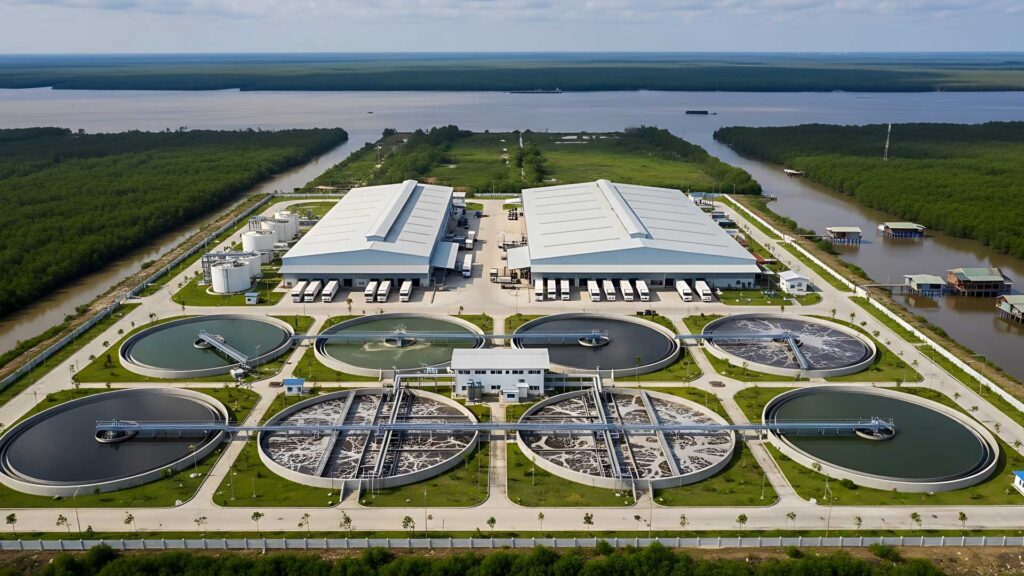
Separation systems used in advanced water treatment Florida applications typically include hydrocyclones, clarifiers, lamella settling equipment, mechanical screens, polymer systems, and geotextile dewatering units. Each stage targets different particle sizes and sediment characteristics.

For example:
- Hydrocyclones handle large volumes of coarse and fine solids.
- Lamella clarifiers reduce turbidity to very low levels suitable for sensitive waterways.
- Geotextile tubes allow dewatering in space-restricted or environmentally delicate locations.
This combination allows treatment systems to adapt to the varying sediment types found from the Panhandle to the Everglades.
Key Applications of Material Separation Technology in Florida
- Coastal and Inland Dredging
Routine dredging is essential for maintaining Florida’s ports, marinas, and waterways. These projects generate large volumes of slurry containing sand, silt, clay, and organic materials. Material separation technology ensures that water discharged back into the environment meets turbidity and clarity requirements, protecting coastal ecosystems such as those found in Tampa Bay, Sarasota Bay, and the Indian River Lagoon.
Because dredging often occurs near seagrass beds, manatee zones, and fisheries, precise solids removal is critical.
- Industrial Wastewater Separation
Industries across the state depend on industrial wastewater separation to manage process water and byproducts. These sectors include phosphate mining, citrus processing, chemical manufacturing, pulp and paper, marine fabrication, and food production.
For many operations, separation systems must handle high-volume flow rates and fluctuating loads while maintaining compliance. This can include sediments, organic matter, and incidental contaminants introduced during manufacturing or cleaning processes.
- Lake and Canal Restoration
Florida’s freshwater systems suffer from accumulated muck and nutrient-rich sediments that fuel algae growth and reduce clarity. Restoration projects using advanced water treatment methods in Florida rely on separation systems to remove harmful materials without causing additional disturbances.
This is particularly important in urban canals across South Florida and in large inland systems such as Lake Okeechobee, Lake Apopka, and the St. Johns River basin.
- Municipal and Stormwater Treatment
Cities across Florida face increasing challenges due to heavy rainfall and rapid development. Stormwater systems often transport significant sediment loads that must be removed before discharge. Material separation technology provides reliable solids removal for retention ponds, stormwater treatment areas, and reclaimed-water facilities.
Florida’s Environmental and Geological Challenges
- Loose and Highly Mobile Sediments
Florida’s soils, especially along coastal and riverine areas, are composed of fine sands and organic material that easily suspend in water. Without quick and efficient separation, even small disturbances can create turbidity plumes that violate environmental standards.
This reinforces the importance of material separation technology in both dredging and municipal operations.
- Sensitive Habitats Requiring Protection
Seagrass ecosystems in places like Homosassa, Crystal River, and Clearwater are highly susceptible to light reduction caused by suspended solids. Coral systems in South Florida require clear, low-turbidity water. Species such as manatees, tarpon, snook, and redfish depend on stable environmental conditions.
Effective advanced water treatment Florida solutions must therefore adapt to these ecological constraints.
- Industrial Legacy Impacts
Historical industrial activity across Tampa, Pensacola, and Central Florida created areas where contaminated sediments must be handled with special care. High-performance industrial wastewater separation is essential for remediation projects in such regions.
Technologies Driving Advanced Water Treatment in Florida
Hydrocyclones
These high-efficiency devices separate solids through centrifugal force and are widely used in dredging and mining operations across the state. Hydrocyclones help process large volumes of material quickly and reliably.
Clarifiers and Lamella Systems
Lamella clarifiers are effective for reducing turbidity to extremely low levels. They are especially useful in environmentally sensitive dredging zones where discharge must meet strict standards.
Mechanical Screens
Screens remove debris and larger solids before finer separation processes take place. This step improves the performance of downstream systems and is commonly used in municipal and industrial settings.
Geotextile Dewatering
Geotextile tubes allow dewatering in locations where space is limited or environmental disturbance must be minimized, such as near wetlands or in confined construction sites.
Benefits of Material Separation Technology for Florida Projects
- Environmental Protection
Clean, well-managed water is essential to Florida’s ecological health, and the ability to consistently reduce suspended solids creates measurable long-term benefits. High water clarity supports seagrass growth, which in turn sustains manatees, scallops, and numerous fish species. Healthy habitats around areas such as the Florida Keys, Sarasota Bay, and Charlotte Harbor rely on stable light penetration, low turbidity, and predictable water chemistry. Separation systems also reduce the spread of organic muck, prevent harmful sediment plumes, and protect coral structures from smothering. These environmental outcomes are essential not only for ecological balance but also for tourism, fishing, and local economies that depend on clean coastal systems.
- Efficiency and Cost Savings
Efficient solids removal reduces costs across every stage of a project. When separation systems work effectively, dredges operate with fewer interruptions, sediment disposal volumes decrease, and transportation costs are significantly reduced. Contractors also avoid the slowdowns associated with repeated turbidity exceedances or storm-triggered shutdowns. In Florida’s busy ports, even a single day of downtime can lead to major economic impacts. Reliable separation improves predictability, allowing projects to stay on schedule and on budget. In restoration and municipal settings, long-term savings accumulate as facilities require fewer chemical additives, less manual intervention, and reduced maintenance.
- Strong Regulatory Compliance
Florida’s regulatory agencies closely monitor turbidity, sediment control, and discharge quality, especially in areas near protected habitats. Separation systems help ensure that water quality targets are consistently met. By maintaining compliance, contractors prevent costly fines, project delays, and public scrutiny. Municipalities rely on consistent treatment performance to meet obligations under stormwater discharge permits and environmental restoration programs. Regulatory compliance also builds positive relationships with oversight agencies, which benefits long-term planning for regional waterway improvement projects.
- Support for Sustainable Development
As population growth accelerates in cities like Orlando, Tampa, and Miami, the pressure on natural and built water systems intensifies. Construction, marine development, industrial expansion, and urban upgrades all require effective water management tools to maintain sustainability. Separation systems support this by reducing the environmental footprint of essential operations and enabling responsible development. Sustainable growth depends heavily on managing sediment, debris, and organic buildup before they compromise waterways, and modern treatment systems enable this.
Florida Scenarios Demonstrating the Importance of Separation
- Port Maintenance and Expansion
Dredging in Port Tampa Bay, Port Everglades, and Port Canaveral generates large volumes of slurry that require efficient processing. Material separation technology ensures clean return water and uninterrupted operations.
- Canal Rehabilitation
Urban canals and drainage networks throughout Miami-Dade, Broward, and Lee counties require muck removal and sediment treatment. These projects rely heavily on advanced water treatment methods.
- Industrial Compliance in High-Volume Facilities
Manufacturing and mining operations use industrial wastewater separation systems to meet discharge limits while maintaining smooth operations.
Comparing Florida’s Most Common Separation Systems
| Technology | Primary Function | Strength | Typical Florida Use |
| Hydrocyclones | Solids separation | High efficiency | Port and mining dredging |
| Lamella Clarifiers | Turbidity reduction | Very high | Sensitive ecosystems |
| Mechanical Screens | Debris removal | Moderate | Urban canals |
| Geotextile Tubes | Sludge dewatering | High | Restricted work sites |
Gulf Coast Dredging: Florida’s Innovation Leader in Separation Technology
Florida-Specific Engineering Expertise
Gulf Coast Dredging has invested decades in developing systems tailored to Florida’s soils, hydrology, and ecological conditions. Their approach ensures that material separation technology integrates seamlessly with dredging, restoration, and treatment operations.
Customized Solutions for Every Project
From tight inland canals to high-volume coastal dredging, Gulf Coast Dredging builds separation setups that perform consistently even under challenging conditions. Their designs improve advanced water treatment outcomes across diverse project environments in Florida.
Industrial Wastewater Separation Specialists
The company stands out for its strong expertise in industrial wastewater separation, particularly in mining and manufacturing areas. Their systems stabilize industrial operations and help facilities meet compliance targets year-round.
A Proven Commitment to Environmental Protection
Gulf Coast Dredging continually refines its systems to ensure minimal turbidity, minimal disturbance, and maximum environmental protection. Their methods support wildlife preservation and aquatic restoration across numerous Florida ecosystems.
Why Gulf Coast Dredging Leads the Market
Few contractors combine engineering skill, regulatory understanding, and specialized equipment at the level Gulf Coast Dredging provides. Their leadership in material separation technology sets them apart from other dredging companies across the state.
The Future of Water Treatment in Florida
- Increasing Environmental Expectations
As urban growth continues and climate pressures intensify, Florida will require more capable and flexible treatment systems. Advanced water treatment solutions in Florida will expand to meet rising demand.
- Innovation in Treatment Processes
Emerging technologies include improved hydrocyclones, automated clarifiers, and new chemical conditioning methods that enhance industrial wastewater separation performance.
- Broader Municipal Adoption
More Florida cities will invest in separation systems to improve stormwater quality and expand reclaimed-water programs.
Conclusion
Florida’s future depends on clean, well-managed water systems. As dredging, industrial activity, and restoration efforts grow, material separation technology has become essential to maintaining environmental quality and regulatory compliance. These systems support everything from port expansion to habitat restoration, and from industrial manufacturing to municipal stormwater control. Through reliable solids removal and high-performance treatment, the state can continue to thrive economically while preserving its natural resources.Gulf Coast Dredging stands at the forefront of this progress, offering solutions that strengthen advanced water treatment Florida strategies and deliver unmatched performance in industrial wastewater separation across the region. With innovative engineering, environmental dedication, and Florida-specific experience, they continue to raise the standard for sustainable water management and responsible dredging practices.