
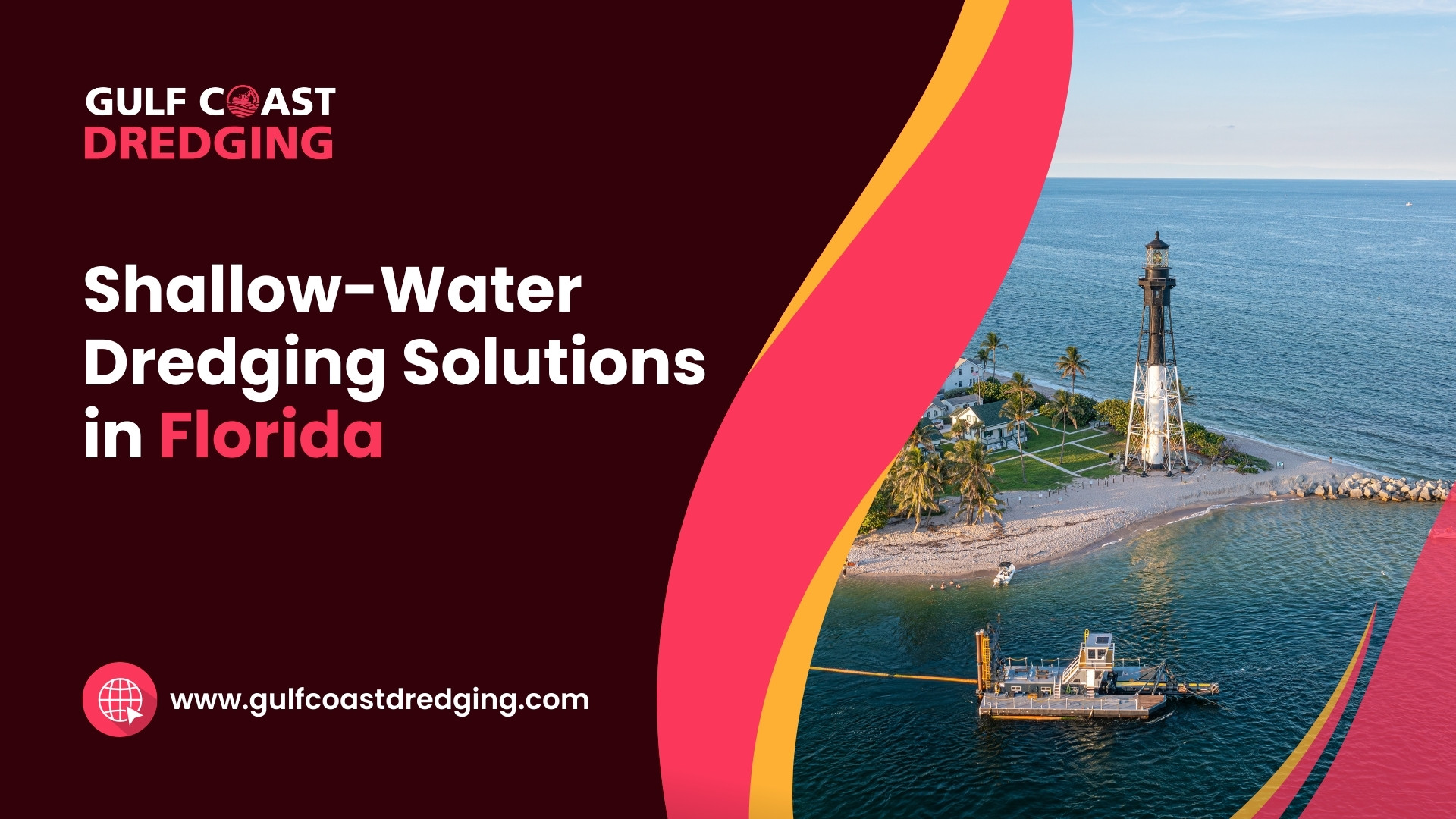
Florida’s coastline and inland waterways form one of the most complex dredging environments in the United States. From narrow tidal creeks along the Gulf Coast to shallow estuaries, residential canals, and sensitive lagoons, dredging here is rarely straightforward. Anyone who has spent decades working on mining dredging solutions can say Florida presents a very different set of realities. The water is often clearer, the bottom softer, the margins tighter, and the environmental expectations higher.
Shallow-water dredging in Florida plays a critical role in keeping navigation channels open, restoring aquatic habitats, and strengthening storm resilience in coastal and low-lying communities. Without regular maintenance dredging, many waterways would become inaccessible to emergency vessels, commercial operators, and even homeowners. Sediment buildup also reduces tidal flow, which directly impacts water quality and fish habitat.
At the same time, contractors face persistent shallow-water dredging challenges that conventional dredging methods were never designed to address. Limited draft, fragile ecosystems, difficult access points, and strict permitting all combine to raise risk and cost. Over the years, one solution has proven especially effective in these conditions. Cable-deployed dredging equipment offers a practical, controlled, and environmentally responsible way to work in Florida’s shallow and sensitive waters.
This article explains why shallow-water dredging in Florida is so demanding, why traditional approaches fall short, and how cable-deployed systems enable projects to proceed safely and efficiently. It also explains why Gulf Coast Dredging has become a trusted partner for these projects across the region.
What Makes Shallow Water Unique in Florida
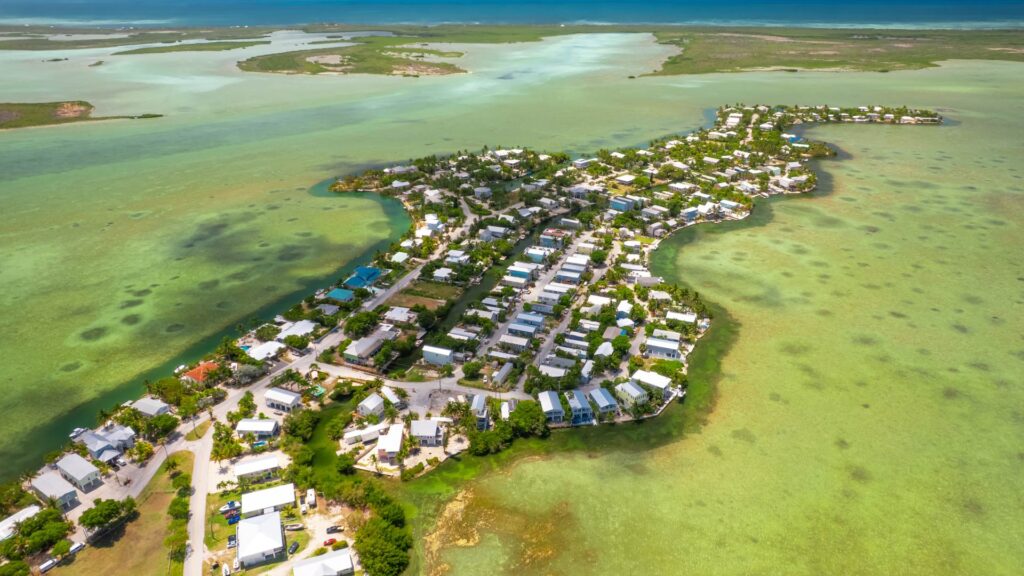
Florida’s shallow waterways are unlike river systems or industrial ports found elsewhere along the Gulf. Much of the state’s dredging work takes place in estuaries, shoals, tidal flats, mangrove-lined channels, and seagrass beds. These areas often have water depths measured in inches rather than feet, especially at low tide.
Florida shallow-water dredging frequently occurs in environments where water movement is slow and sediment is fine. Organic mud, silty clay, and shell fragments are common and behave differently from sand or gravel. They resuspend easily, settle slowly, and can travel far from the dredging site if not carefully managed.
Environmental sensitivity is another defining factor. Seagrass protection zones, manatee habitats, oyster reefs, and nesting areas for protected birds all impose limits on when and how dredging can occur. Permitting agencies expect contractors to minimize turbidity, avoid physical damage to habitats, and demonstrate control over dredge positioning at all times.
Traditional dredging equipment struggles in these settings. Cutterhead dredges and barge-mounted systems require draft and maneuvering room that shallow Florida waterways simply do not provide. Anchoring systems can disturb bottom vegetation, and prop wash from support vessels can cause more harm than the dredging itself.
These realities explain why shallow-water dredging challenges in Florida are not just technical issues but also planning, access, and compliance challenges. Shallow-water dredging in Florida requires methods designed for tight spaces and sensitive ground conditions.
Core Challenges in Florida Shallow Water Dredging
- Limited Draft and Navigational Constraints
One of the most common shallow-water dredging challenges is limited access. Many Florida waterways are too shallow for barges or self-propelled dredges to enter safely. Even when a vessel can reach the site at high tide, it may be unable to reposition as water levels change.

Dragheads, spuds, and hull-mounted pumps all require depth to function properly. In residential canals or back bays, turning radius and overhead clearance add another layer of difficulty. Grounding incidents are not just costly but can also trigger environmental violations.
Florida shallow-water dredging often requires a system that can operate without floating directly over the work area. This is where shore-based or minimally floating solutions become essential.
- Sensitive Marine Ecosystems
Environmental protection is central to every dredging project in Florida. Seagrass meadows, in particular, are highly regulated. Damage to these areas can halt a project immediately and lead to long-term penalties.
Shallow water dredging challenges increase when endangered species are present. Manatees, sea turtles, and juvenile fish are often active in shallow zones. Excess turbidity reduces light penetration, affecting photosynthesis and dissolved oxygen levels.
Florida shallow water dredging requires precise control over material removal and discharge to protect water quality. Broad, high-energy dredging methods simply do not meet these expectations.
- Soft Bottoms and Variable Sediment Types
Unlike sandy channels, Florida’s shallow waterways often contain soft, organic sediments that behave unpredictably. Material strength can vary within a few feet, shifting from loose muck to shell layers or compacted clay.
This variability complicates dredging. Aggressive cutting can over-excavate, while gentle suction may struggle to maintain production. Shallow-water dredging challenges are exacerbated when equipment cannot quickly adjust to changing bottom conditions.
Florida shallow water dredging benefits from systems that allow gradual, controlled removal rather than high-force excavation.
- Equipment Access and Remote Locations
Many dredging sites in Florida are located on private property, in wetlands, or along protected shorelines. Getting equipment into position can be more difficult than the dredging itself.
Boat access may be limited by narrow passages or shifting sandbars. Land access may require temporary mats or staging areas that comply with environmental rules. In some cases, working from the shoreline is the only viable option.
These access limitations are a major reason shallow-water dredging challenges persist across the state. Florida shallow water dredging often demands creative setup and minimal footprint solutions.
- Environmental Permitting and Stakeholder Concerns
Permitting in Florida is thorough and closely monitored. Agencies require clear dredging plans, turbidity controls, and post-project verification. Community stakeholders also expect transparency, especially in residential and recreational areas.
Noise, visual impact, and work duration all matter. Contractors must demonstrate that their methods reduce disruption while meeting project goals. This is where equipment choice becomes a strategic decision rather than a technical one.
How Cable-Deployed Dredging Equipment Works
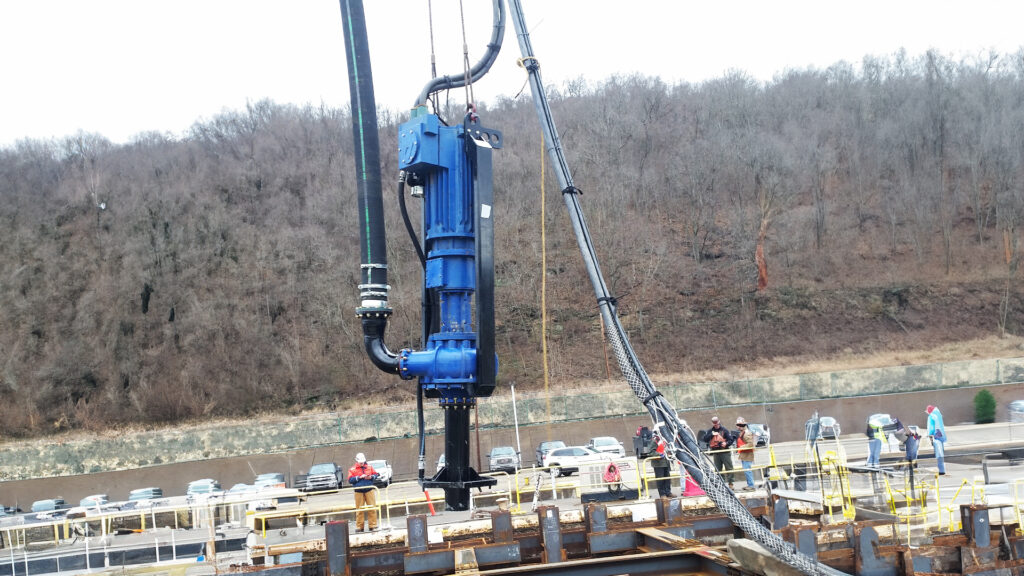
Cable-deployed dredging equipment is designed to operate without relying on vessel mobility in shallow water. Instead of moving the dredge itself, the system uses winches and cables to position and advance the pump or cutter assembly.
In a typical setup, the dredge pump is placed on a small platform, sled, or floating frame. Cables extend from winches anchored onshore, on stable platforms, or at designated anchor points. By adjusting cable tension, operators can move the dredge head precisely across the target area.
This approach differs significantly from self-propelled dredges, which rely on hull movement and spuds for positioning. Cable systems allow controlled, incremental movement without disturbing surrounding areas.
Configurations vary depending on site conditions. Some projects use shore-based winches with long reach, while others employ compact setups for tight spaces. Pump placement can be adjusted to match sediment type and depth.
Cable-deployed dredging equipment excels in environments where precision and access matter more than raw production volume. It is especially well-suited for Florida shallow water dredging, where environmental sensitivity and limited depth define the work.
Advantages of Cable-Deployed Equipment for Florida Projects
- Better Reach in Limited Draft Conditions
One of the greatest advantages of cable-deployed dredging equipment is its ability to work where floating dredges cannot. Because the system does not require a deep draft, it can operate from shorelines, canal edges, or stable platforms.
Florida shallow water dredging often involves reaching areas that are inaccessible by boat. Cable systems extend the working range without placing heavy equipment directly over sensitive bottoms. This capability directly addresses some of the most persistent challenges in shallow-water dredging.
- Minimal Disturbance to Marine Habitats
Cable-based systems create a smaller footprint than traditional dredges. There is less prop wash, fewer anchor points, and reduced bottom contact. Turbidity levels are easier to control because material removal is gradual and targeted.
This is critical in Florida, where environmental compliance is non-negotiable. Cable-deployed dredging equipment allows contractors to work within seagrass protection zones and near sensitive habitats with confidence.
Florida shallow water dredging projects benefit from reduced environmental risk and improved regulatory acceptance.
- Enhanced Precision in Variable Bottom Conditions
Soft sediments and mixed materials require careful handling. Cable systems provide precise positioning, allowing operators to focus on specific areas without overcutting.
Real-time adjustments improve efficiency and reduce rework. This precision helps overcome shallow water dredging challenges related to uneven bottoms and changing material conditions.
Florida shallow water dredging becomes more predictable and controlled when operators can fine-tune movement rather than rely on vessel repositioning.
- Lower Mobilization Costs and Increased Safety
Mobilizing large dredges and support vessels is expensive, especially for small or remote sites. Cable-deployed dredging equipment typically requires fewer personnel and less marine support.
Working from shore or stable platforms reduces risk to crews and simplifies logistics. For many Florida projects, this results in shorter schedules and lower overall costs.
Florida shallow water dredging projects managed this way often see fewer delays and fewer safety incidents.
Case Studies and Real-World Examples
- Example 1: Estuary Cleanup Project
In a Gulf Coast estuary with heavy sediment accumulation, traditional dredging was ruled out due to shallow depths and active seagrass beds. Cable-deployed dredging equipment was staged from the shoreline, allowing precise removal of fine sediments without disturbing vegetation.
Florida shallow water dredging, in this case, restored tidal flow and improved water quality while meeting strict environmental conditions. Turbidity stayed within limits throughout the project.
- Example 2: Marina Maintenance Dredging
A small marina in Southwest Florida faced chronic shoaling at its entrance channel. Limited access and boat traffic made barge dredging impractical. Using a cable-based system, operators worked during off-peak hours and maintained clear navigation without disrupting marina operations.
This approach addressed shallow water dredging challenges tied to access, safety, and stakeholder concerns. Florida shallow water dredging was completed efficiently and with minimal disruption.
- Example 3: Seagrass-Friendly Removal
In a residential canal network, sediment buildup threatened water circulation. Seagrass mapping identified sensitive zones that could not be disturbed. Cable-deployed dredging equipment allowed selective removal while avoiding protected areas.
Florida shallow water dredging here demonstrated how precision equipment supports environmental stewardship and community trust.
Environmental Best Practices for Florida Shallow Water Dredging
Successful projects rely on more than equipment alone. Best practices include thorough pre-dredge surveys to map habitats and sediment conditions. Understanding what lies beneath the surface reduces risk and improves planning.
Real-time turbidity monitoring is essential. Continuous measurement ensures compliance and allows immediate adjustments. Seasonal timing also matters, as many species have defined breeding and migration periods.
Collaboration with regulators and local communities builds trust and streamlines approvals. Florida shallow water dredging projects succeed when contractors communicate clearly and follow through on commitments.
Gulf Coast Dredging integrates these practices into every project. Their experience across the Gulf region allows them to adapt proven methods to Florida’s unique conditions.
Solving Florida’s Shallow-Water Dredging Challenges the Right Way
Florida’s shallow waterways demand a different approach to dredging. Limited depth, sensitive ecosystems, variable sediments, and strict permitting create a complex operating environment. These shallow water dredging challenges cannot be solved with conventional equipment alone.
Cable-deployed dredging equipment offers a practical solution. Its ability to work in limited draft conditions, minimize environmental impact, and provide precise control makes it well-suited for Florida shallow water dredging projects of all sizes.
For project owners and agencies seeking reliable results, Gulf Coast Dredging stands out as a trusted partner. Their experience, planning discipline, and commitment to responsible dredging ensure projects move forward efficiently and in compliance with Florida’s standards.
If you are planning a shallow-water dredging project in Florida and need a solution that balances performance with environmental care, contact Gulf Coast Dredging for a consultation. Their team understands the challenges and knows how to solve them.